TikTok gaming influencer marketing is what most teams search for when they want their game in the For You feed. On our side, the work is with creators: people who already post gaming clips every day and know exactly what makes their viewers stop scrolling.
TikTok rewards a different kind of content than a stream or a long video. So the brief changes, the creators we pick change and the way we measure changes too.
How TikTok influencer marketing for games works
A TikTok campaign is a set of short videos from gaming creators on TikTok, each built around one moment of your game. The feed shows videos to people based on what they watch, so a clip can travel far past a creator’s followers. The flip side is that every clip has to earn its reach in the first seconds.
We run TikTok work through Creator Campaigns. Our team picks the creators, contracts them, briefs them and checks that every video goes up as agreed. Creators get paid in 3 banking days. We’ve launched campaigns in as little as 2 days, which matters on a platform where a trend can come and go in a week.
Short gameplay clips that earn the next second
The core format is a gameplay clip with a reason to keep watching: a clutch play, a fail, a surprise or a mechanic nobody has seen before. It works when the hook is on screen before anyone reads the caption.
That’s why we brief one moment per video. A clip that tries to show the whole feature list ends up showing nothing. You can’t market what you don’t play, so our team plays the game first to find the moment worth cutting.
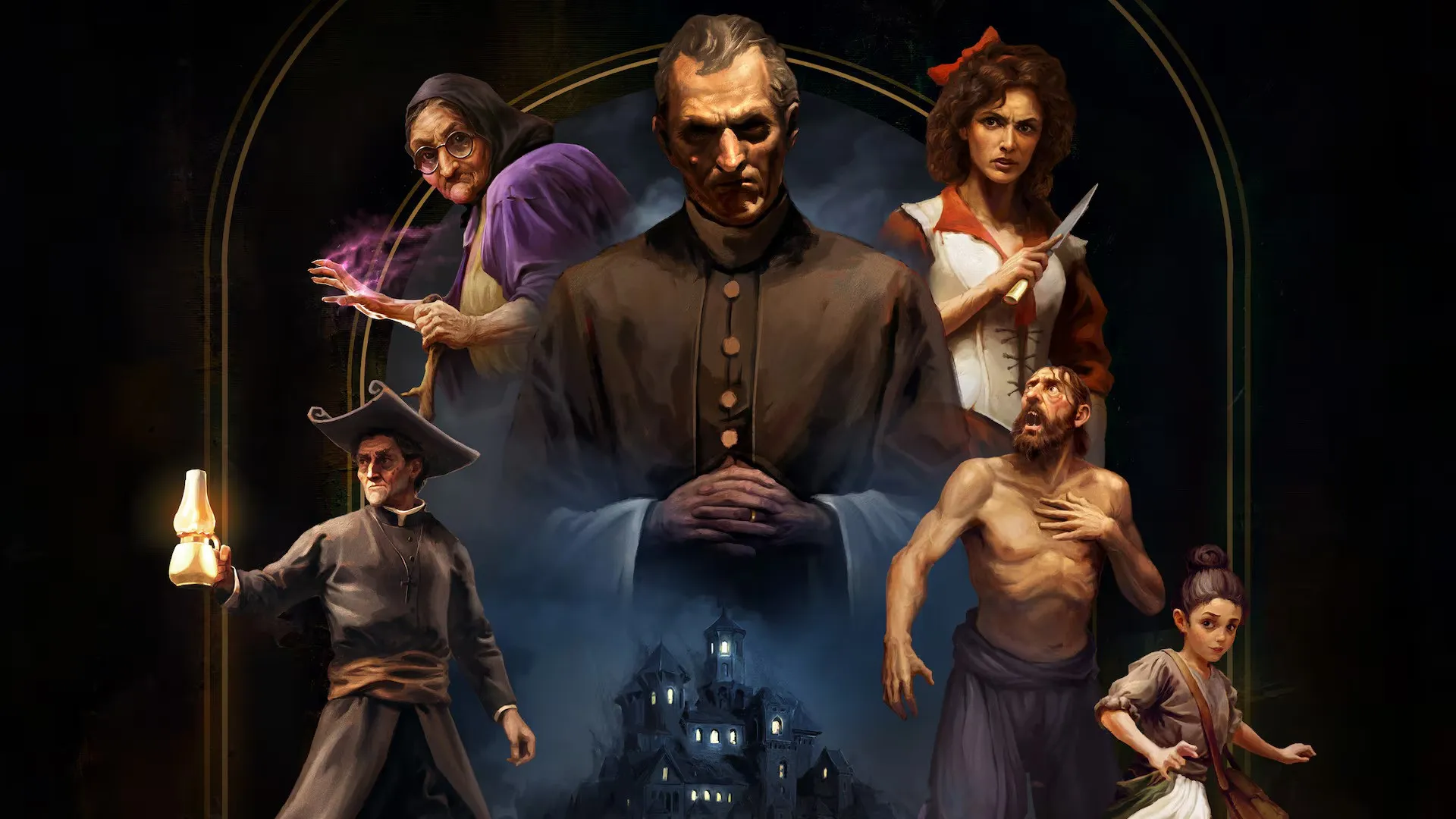
For The Stone of Madness, a tactical stealth game from Tripwire, creators on TikTok used creative formats to put the mechanics and the art front and center. TikTok creator Fr3d called the mix of tactical stealth and the phobia management mechanic “unique and engaging”. Read the Stone of Madness story.
Skits are the other big format. They show how it feels to play, and sometimes that sells a game better than gameplay does. For Squad Busters, TikTok content leaned on cosplay and challenges to match how social the game is.
Trends, sounds and formats
A trend on TikTok is a template: a sound, a format or a joke that thousands of people remix at once. Joining one puts a clip in front of everyone watching that trend. Joining the wrong one looks like a brand trying too hard.
The trend has to fit the game and the creator. If a creator would never make that video without a sponsor, their audience can tell. Creators live on the app, so we let them pick the trend and check the fit before it goes up.
Sounds need one more check. Not every popular track is cleared for branded content, so a creator may need a sound from TikTok’s commercial library or something original. Your own game audio can work well here, if the soundtrack or a character’s voice line is easy to recognize.
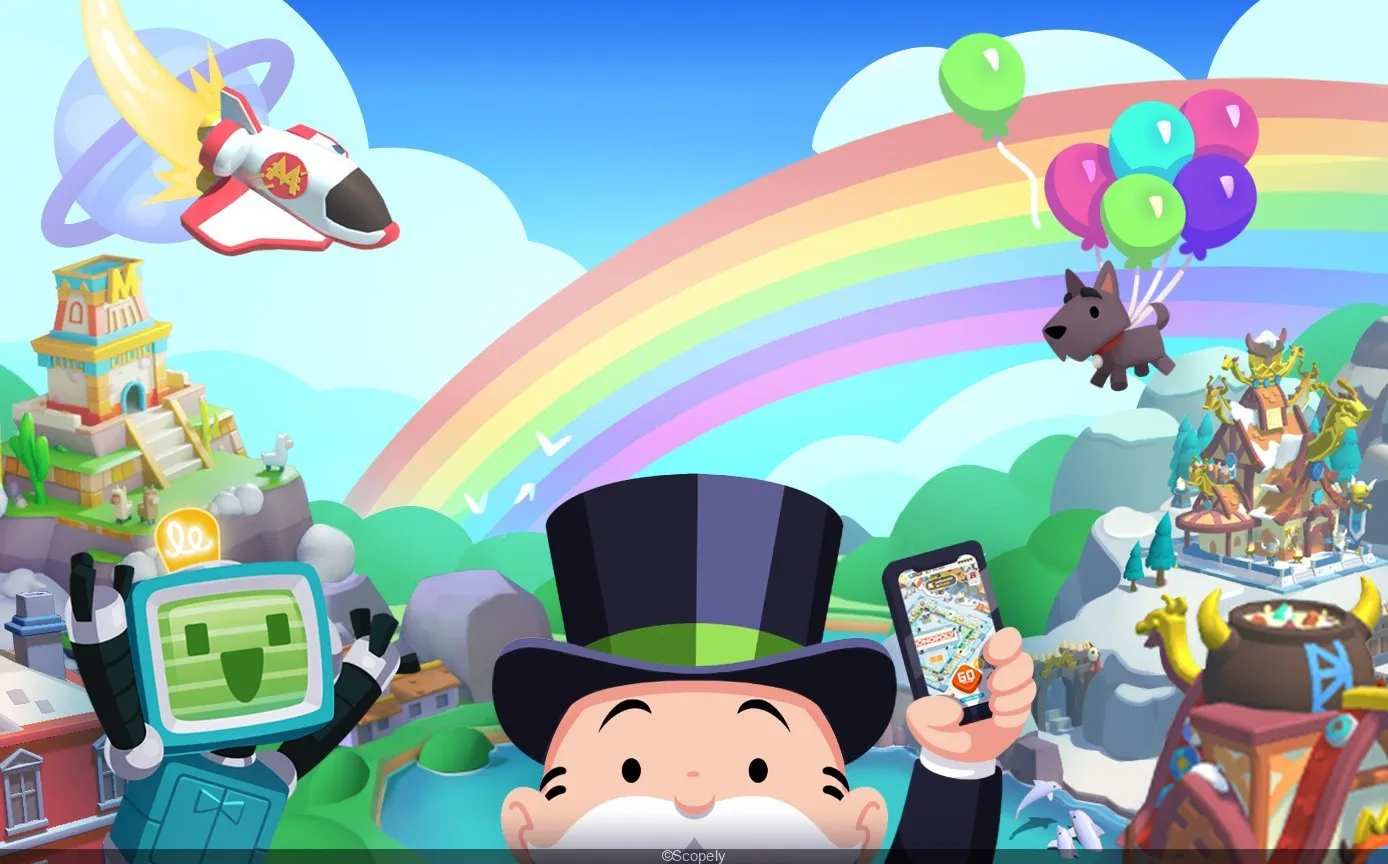
Seasonal moments are trends you can plan for. For Monopoly GO!, Scopely asked us to bring game events to players across Asia. In Japan, 11 creators made Golden Week content that delivered 4.27m views, and localized hashtags and hooks into the events in the game made it feel native. Local judgment like that is a big reason we have a team on the ground in Seoul. Read the Monopoly GO! story.
Where TikTok fits next to Twitch and YouTube
Most of our campaigns run on more than one platform, and each one does its own job. Twitch is live play for hours, with a chat that talks back. YouTube is where a video keeps getting found in search for months. TikTok is where people find a game they didn’t know they wanted.
Clips connect them. A streamer plays your game on Twitch for three hours, and the best ninety seconds become a TikTok the next day. A YouTube creator cuts a vertical version of the funniest part of a dedicated video. When we plan those cuts from the start, the stream and the video keep paying off in the feed long after they’re over.
For The Stone of Madness, select creators got closed beta access on Twitch and YouTube before launch, then creators went live across Twitch, YouTube and TikTok at launch. Star Wars: Hunters ran across the same three platforms over two seasons. If you’re planning a release, our game launch guide covers how the beats line up.
TikTok marketing for mobile games
Mobile is where TikTok sits closest to the install. The viewer is already holding the device that runs your game, and the store is one tap away. A PC game has a longer path, since interest has to survive until someone sits down at their computer.
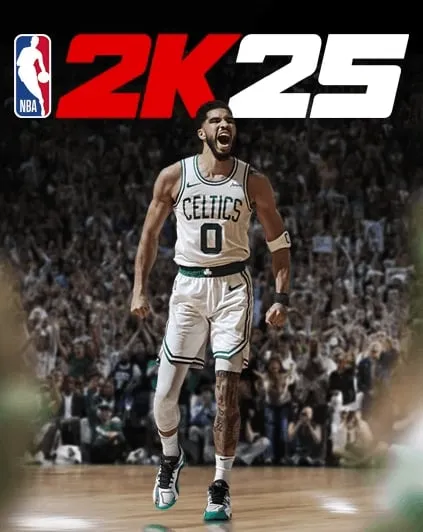
For NBA 2K25 MyTEAM Mobile, 2K wanted installs around NBA All Star Weekend. We activated 24 creators, mostly midsize creators with high engagement and a real love for NBA 2K, and gave them two creative directions: “Play on the Go” and “OffCourt Drama”. On TikTok, fast skits landed with mobile audiences, and the top creators delivered 1.6m+ views and 8.3k+ clicks. On Instagram, Reels built affinity but click through was limited. Same brief, two very different paths to an install. Read the NBA 2K25 story.
For Hay Day’s 12th birthday, TikTok content went into farm to table recipes and cooking contests, which suits a farming game.
Wehype Mobile runs this work for mobile studios, with TikTok usually next to YouTube Shorts and live streams. More in our guide to creator marketing for mobile games.
Writing a brief that feels native
The fastest way to waste a TikTok budget is to send a script. Viewers scroll past anything that looks like an ad, and a creator reading your lines looks exactly like one.
So our briefs are short. They name the one moment from the game, the action we want viewers to take (install, wishlist or use a code) and the few things that must be in the video, like the game’s name and the disclosure. They also say what’s off limits. Everything else belongs to the creator: the format, the trend, the edit and the joke.
Then we test. A handful of creators try different angles first, we see which ones people watch to the end, and we scale the angle that works.
Need creators first? Our guide to TikTok gaming influencers covers types, sizes and a vetting checklist, and our list of the top TikTok gaming influencers shows who leads the feed.
Measuring a TikTok campaign
Views tell you reach. Comments and shares tell you whether people cared. Neither tells you whether anyone played.
For that, we look at clicks on tracking links and at installs or wishlists where we can connect them. TikTok gives a creator fewer places to put a link than YouTube does, so a code that’s easy to say out loud often does more work than a URL. Creator Codes, our Support-A-Creator program, gives each creator a code that viewers use when they spend in your game. The creator earns from that spend, and you see exactly which creators drive revenue.
Judge the campaign, not single clips. Short form is hit driven: in a typical short form campaign in our tracker, the single best post brought 29% of all views, and the average TikTok post got 209% more views than the median one. A few posts carry the campaign, and nobody can tell in advance which ones. Book enough creators to give the algorithm several shots.
Source: Wehype’s short form tracker, paid posts by booked creators, pulled November 4, 2026.
If any clips get paid boosts, we report boosted and organic views separately, so you know what the creators did on their own. You see live data in the Wehype platform while videos go up, and a report after the campaign. Our guide to creator marketing ROI goes deeper on what to count.
Choosing a TikTok game marketing agency
If you’re comparing agencies, ask practical questions. Who picks the creators, and based on what? Do creators get room to make the video their own, or do they read a script? How fast do creators get paid? Can you see results while videos go up? Will they test a few angles before spending the whole budget?
We’ve run creator campaigns for games since 2016, on our own platform. In 2025, 2,700+ unique creators worked on Wehype campaigns. We don’t spray and pray, and we handle the boring stuff: contracts, payments and delivery checks.
TikTok is rarely the whole plan. See how it fits with PC and console launches, Steam games, live ops and long term creator programs, or start at our overview of creator marketing for games.