People search for YouTube gaming influencer marketing when they want videos about their game on channels players already trust. That’s what we do. We call it creator marketing, because on YouTube the people who move games are creators who spend days with a game before they hit upload, and whose viewers come back every week to see what they’ll play next.
YouTube works differently from a live stream, so we plan it differently.
How YouTube differs from Twitch
On Twitch, attention happens live. You measure it in viewer minutes and peak viewers, and the stream is mostly over when the streamer logs off.
On YouTube, a video starts small and keeps going. It shows up in search when someone types the name of your game, gets recommended next to other videos in your genre and can find new players long after the campaign report is done.
Most of our campaigns use both. Appguru first planned Sacred Summons as a campaign entirely on Twitch. Once we understood the goal, a first showing in Western Europe and the US, we added YouTube integrations next to Twitch Let’s Plays. About two dozen creators made videos, and they got nearly half a million views on YouTube in the two weeks the campaign was live, over delivering by more than 30 percent. Twitch streams added 2M+ viewer minutes, and Appguru collected more than 90,000 chat messages on Twitch as feedback ahead of the final launch. Read the Sacred Summons story.
Why a YouTube video keeps working after the campaign
YouTube is a search engine full of players asking questions. Is it worth it? Which class is best for beginners? When a creator makes a video that answers one of those questions about your game, it can rank for that search for months, and every new view comes from someone who was already looking.
That’s the long tail, and it’s why YouTube belongs in a plan even when Twitch carries launch week. A campaign report closes on a date. The video doesn’t, so agree up front that it stays up with the tracking link in the description.
Titles matter here. We agree on the topic and the angle, then let the creator write a title that sounds like their channel. They know how their viewers search.
For NBA 2K25 MyTEAM Mobile, ranking formats and commentary did well on YouTube, with Jeffrey Bui leading the way at 300K views, while TikTok carried the fast skits. Read the NBA 2K25 story, or see how we brief vertical video on our TikTok page.
YouTube influencer marketing for games: The formats we use
Most of our YouTube Creator Campaigns come down to four formats. We pick them per beat, not per campaign.
Integrated videos
A segment about your game inside the creator’s normal upload, usually near the start. It reaches their whole audience and costs less than a full video. For the Guild Wars 2 expansion, integrated videos on MMO channels led the push before launch, focused on new combat content and preorders.
Dedicated videos
A whole video about your game. It’s the right call when there’s enough to show, like a new expansion, a season or a big update. Guild Wars 2 moved to dedicated videos after launch week to keep Tyria busy.
Shorts
Vertical clips for one mechanic or one reveal, usually next to long videos from the same creators. More below.
Live on YouTube
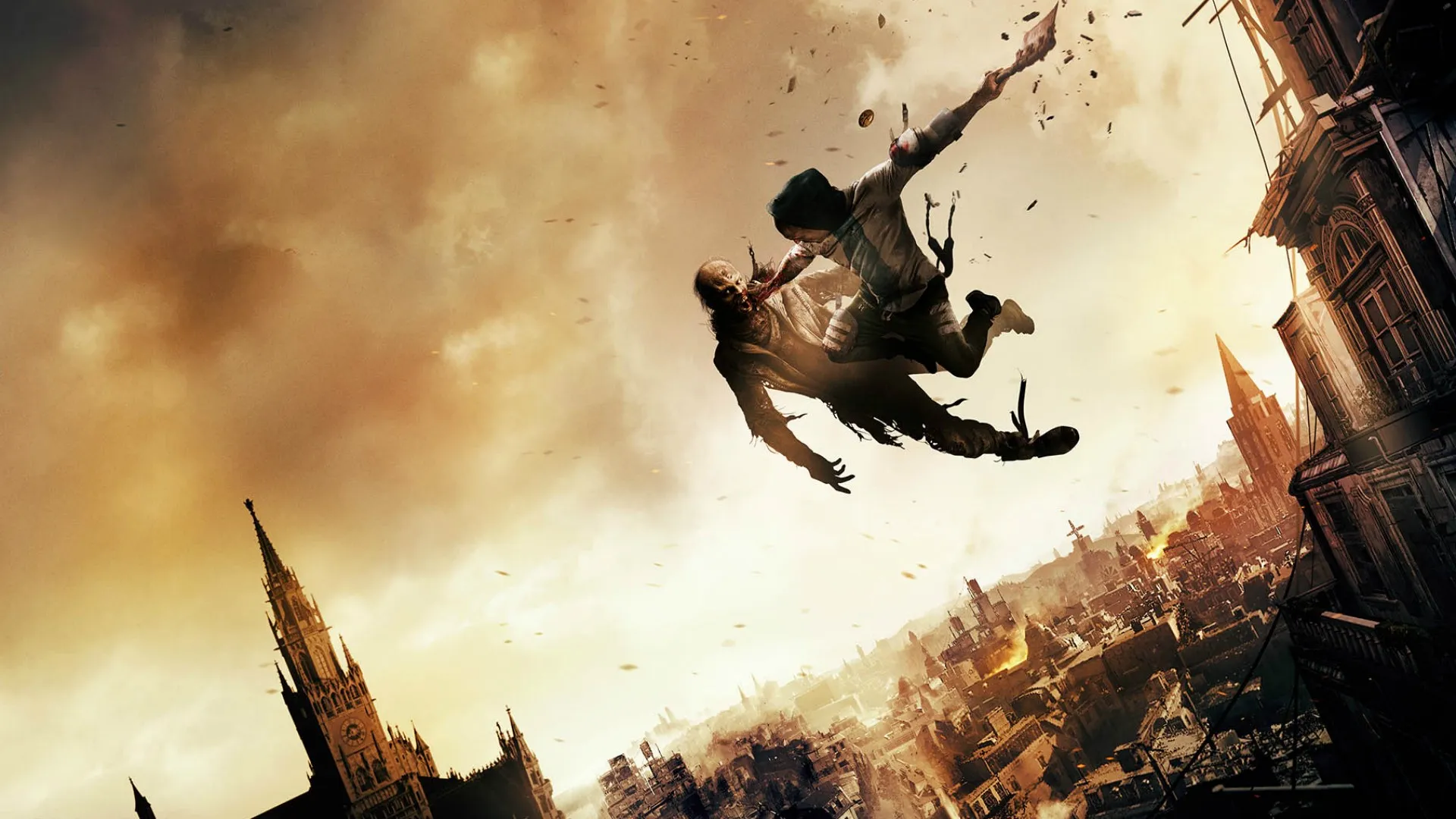
Some creators stream on YouTube instead of Twitch. For the final Dying 2 Know episode before Dying Light 2, we ran Twitch streams and YouTube integrations around the same show.
Dedicated vs integrated videos: How we choose
It comes down to how much the viewer already knows.
An integration is built for awareness. The viewer came for the creator’s normal video and gets a short segment about your game from someone they trust. You’re paying for a slot in an upload, so it’s the cheaper way to reach a big audience before a reveal, a beta or preorders.
A dedicated video works when there’s enough game to fill it and the viewer is close to a decision. It costs more, since the creator puts a full upload behind your game, and it’s usually the video that ranks in search later.
Pixmain used both for the mobile launch of My Time at Portia, with eight YouTubers. The integrated spot sat at the start of each creator’s regular content, and the dedicated videos were 8 minute deep dives with a clear download link. The campaign delivered over 600,000 views, a 22% over delivery on the estimate. See the Pixmain story.
Our rule of thumb is integrations before launch and dedicated videos once players can buy or download the game. Guild Wars 2 followed exactly that order.
Our campaign data backs the split. Across the sponsored YouTube videos we ran from 2023 to 2026, integrations got 311% more views per subscriber than dedicated videos. Dedicated videos got 206% more clicks per thousand views. Integrations buy reach; dedicated videos buy clicks. Overall, the median sponsored video got 15% more views than we expected when we booked the creator, and 25% of videos at least doubled it.
Source: Wehype campaign data, completed sponsored YouTube videos from 2023 to 2026, pulled November 4, 2026.
YouTube Shorts for games
Shorts reach people who don’t follow the creator yet. The Shorts feed serves clips based on what people watch, so a good clip about your game can travel far past the creator’s own subscribers.
What works in a Short is narrow: one mechanic, one fail or one reveal, shown in the first seconds. There’s no time to explain a skill tree, so we leave the explaining to the long video.
The best Shorts often come from content the creator already made: a stream highlight or a cut from a dedicated video that points back to the full thing. For Star Wars: Hunters, the creator mix ran from gameplay streams to Shorts across two seasons.
Shorts are weaker at sending people to a link, so we judge them on reach and put the click targets on the long videos. For mobile games, Shorts usually sit next to TikTok.
Shorts also pay out fast. In our short form tracker, YouTube Shorts had 23% of their 30 day views after one day and 92% after a week, then added only 6% more between day 30 and day 90. Report on a Short after a week; the long videos are the ones that keep collecting views.
How YouTube and Twitch work together
Many gaming creators live on both platforms. They stream a Let’s Play on Twitch, then cut the best parts into a YouTube video or a Short. The stream gives you the live moment, and the video keeps it searchable for everyone who missed it. If a streamer covers your game, ask whether highlights can go up on YouTube too.
Guild Wars 2 is the clearest example we have. Before launch, Twitch Let’s Plays built awareness and YouTube integrations on MMO channels gave broader visibility. After launch week, dedicated YouTube videos and ongoing Twitch Let’s Plays kept new players coming into Tyria.
The Stone of Madness from Tripwire ran on Twitch, YouTube and TikTok. Before launch, YouTube views came in 70% above target with a CPM 42% lower than targeted. At launch, YouTube views were 67% above target with a CPM 40% lower than targeted, while Twitch delivered viewer minutes 30% above target. Read the Stone of Madness story.
Picking YouTubers for your game
Plenty of lists rank gaming YouTubers for brand deals by subscriber count. Subscriber counts tell you who was popular a year ago. We look at what a creator uploads now, which games their viewers come back for, where those viewers live and how the creator did in earlier campaigns with us.
Subscriber counts mislead in another way too. In our campaigns, sponsored videos on channels with 10K to 100K subscribers got views equal to 13.8% of the subscriber count, against 5.4% on channels with 1M+. And because the top 10% of our sponsored long videos took 65% of all views, a campaign with several creators beats betting everything on one.
Language and culture matter as much as genre. For Monopoly GO!, Scopely wanted to grow in Asia, so we built the campaign around regional holidays with 62 creators across markets. It reached a 36% YouTube engagement rate.
Community Insights shows who already makes content about your game, by platform, region and lifecycle stage, before you pay anyone.
Our guide to YouTube gaming influencers has a vetting checklist, and our list of the top YouTube gaming influencers shows who leads in each language.
Big ideas need big channels too
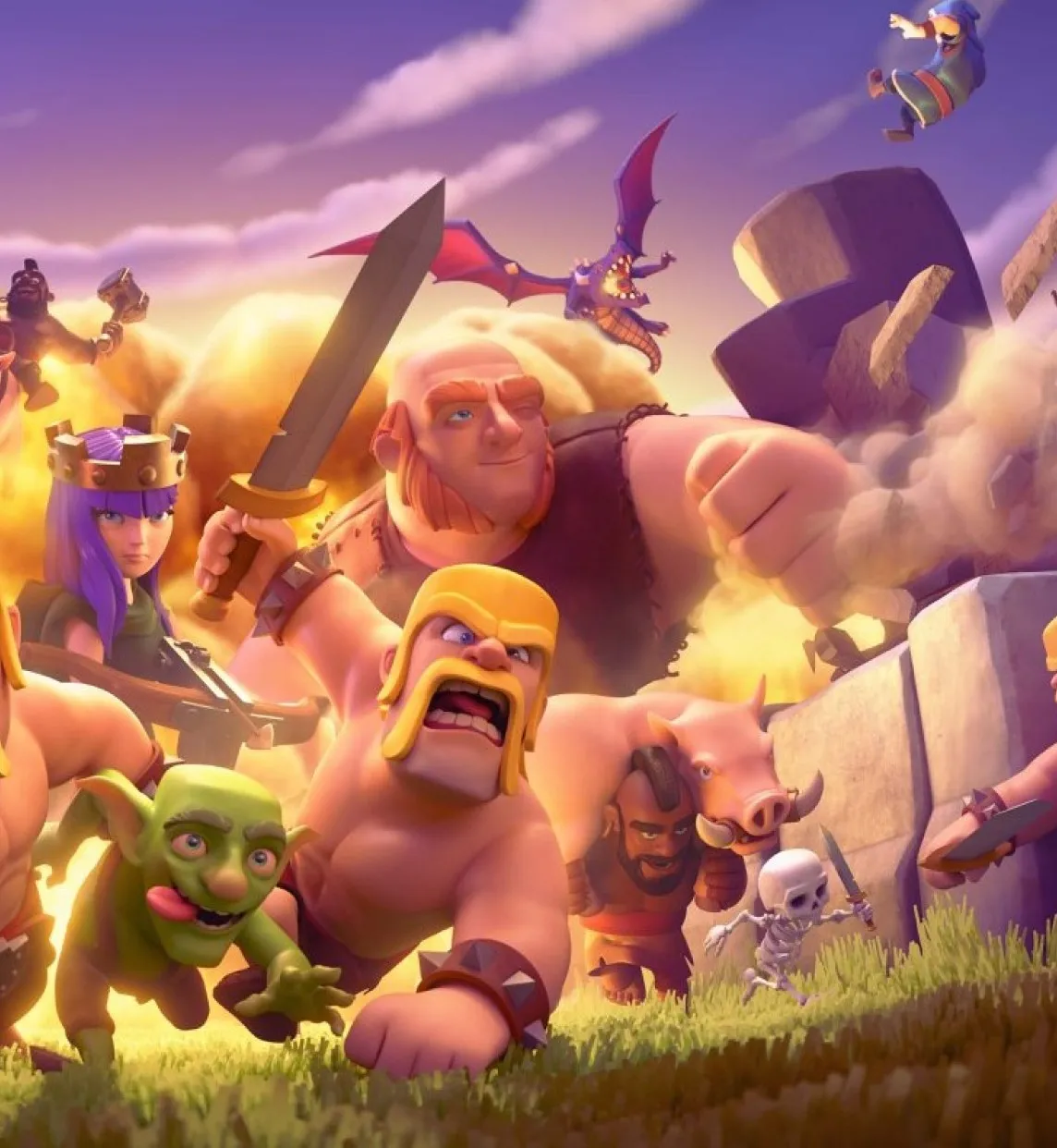
Sometimes the right move is a concept large enough for the biggest names. For Clash of Clans Town Hall 16, Supercell and our team built Clash for Nature: gold looted in battles counted toward real donations to Team Trees or Team Seas, and creators competed on a leaderboard.
Jynxzi, Emiru, Jschlatt and PewDiePie were among the creators who took part across Twitch and YouTube, each delivering at least two pieces of content. The campaign reached 40M+ views on YouTube and 72M+ viewer minutes on Twitch. Read how Clash for Nature came together.
YouTube across a game’s whole life
The longest YouTube story we’ve told is Dying Light 2. It started with Dying 2 Know, a YouTube series about lore, and kept going through seasonal events and crossovers. Over years of work with Techland, that came to 2,494 creator collaborations across Twitch and YouTube and 105M+ YouTube views, in English, French, German, Spanish and Polish. See the Dying Light 2 partnership.
That’s the case for treating YouTube as a channel you return to every update and season. Creators who covered your launch are the first ones to cover your next patch, if you keep them close.
Creator Codes, our Support-A-Creator program, helps with that. A creator puts their code in the video description, viewers use it when they spend in your game, and the creator earns from that spend.
Choosing a YouTube gaming influencer marketing agency
Ask how they choose creators, who checks each video was delivered as agreed and whether they’ll test with a few creators before booking the whole list.
Here’s how we run it. Our team plays the game to find the hook and handles the boring stuff: contracts, payments and delivery checks. Creators get paid in 3 banking days. We test concepts small and scale what works. You get live data while videos go up and a report after, measured against the goal we agreed on at the start. More in our guide to creator marketing ROI.
YouTube is one part of the plan. Start at our overview of creator marketing for games, or see how it fits into a game launch.