Attribution for game creator campaigns means connecting a creator’s content to what players did next, from a click to a wishlist, install or purchase. Some of it you can count per creator with links and codes. The rest shows up only as a change around stream dates. Here’s how we at Wehype set up both before a campaign starts.
This guide is about the mechanics: what each tool measures, where it stops and how to put it together. For which metric to pick for which goal, read our guide to gaming influencer marketing ROI. For the viewing data behind creator choices, see creator data.
Two kinds of evidence
Every number in a creator campaign report belongs to one of two groups, and the report should say which.
Direct attribution ties an action to one creator: a click on their link, a purchase with their code, a store visit with their UTM. It’s exact, and it’s always an undercount, because most viewers never click.
Correlation looks at what moved around the campaign: installs, wishlists, sales or searches rising on stream days. It catches the players direct attribution misses, and it can’t tell you for sure that the campaign caused the change.
Both are useful. The mistake is presenting the second as if it were the first.
What you can measure directly
Tracking links per creator
Every creator gets their own link, in the chat bot, the panels, the video description or the bio. Links tell you which creators send traffic and when. They’re the first signal on almost every campaign.
Their weakness is the path after the click. A link opened in a mobile app’s built in browser may never reach the store app. A link clicked on a phone doesn’t follow the player to their PC. And on Twitch, many viewers watch on a TV or console where clicking isn’t practical.
Click rates depend heavily on the creator and the format, so compare like with like. In our Twitch campaigns from 2024 to 2026, streamers with 25 to 99 viewers got 172% more link clicks per viewer than streamers with 2,000+ viewers. On YouTube, dedicated videos got 206% more clicks per thousand views than integrations, since the whole video is about your game and the link sits right under it.
Source: Wehype campaign data, completed sponsored Twitch streams from 2024 to 2026 and YouTube videos from 2023 to 2026 with tracking links, pulled November 4, 2026.
Store UTMs on Steam
For Steam games, add UTM parameters to each creator’s link. Steam’s own UTM analytics then report visits per link and the wishlists, purchases and activations that follow.
Read Valve’s documentation before you trust the totals. Conversions are only counted for players signed in to Steam in the same browser, within 72 hours of the click, and actions after switching browser or device aren’t linked back. Clicks from social apps’ in app browsers are hard to attribute for the same reason. Treat the Steam number as a floor.
Creator codes
A creator code ties a purchase or sign up to a creator because the player chose to enter it. That works days later, on another device, without any click. For live games with in game spending, it’s the cleanest revenue line in creator marketing.
Creator Codes, our Support-A-Creator program, show store revenue per creator. Codes can measure behavior too: for Brawl Stars, we tracked how many players entered each creator’s code and how many of them reached 1,000+ trophies or Gold or Diamond rank. Codes only count players who use them, so they undercount as well.
Promo codes and keys
A unique promo code or key batch per creator works like a creator code for one off offers: a discount, a free item, a demo or beta key. It’s simple to set up and easy to read, as long as codes don’t leak to deal sites and get counted under the wrong creator.
Platform analytics
Twitch, YouTube and TikTok report what happened on the content itself: viewers, watch time, views and engagement. On Twitch we report viewer minutes, peak concurrent viewers and cost per hour, which are the most useful numbers for live campaigns. These measure attention, not players. They’re the start of the funnel, not the end.
Mobile installs
For mobile games, installs from tracked links go through your mobile measurement setup. Privacy rules limit how much of that is visible per player. On iOS, an app must ask for the player’s permission under Apple’s App Tracking Transparency before tracking them across apps and websites, so expect gaps. For NBA 2K25 MyTEAM Mobile, the top TikTok creators drove 1.6m+ views and 8.3k+ clicks, while click through on Instagram was limited. The platform changed the path to an install as much as the creator did.
What you can only see as a signal
Lift vs baseline
Compare your key number during and after the campaign with a baseline: the same weekdays in the weeks before, or the same period around an earlier update. The difference is the lift.
Lift catches everyone who saw a stream and bought later without clicking. It’s also exposed to everything else: a sale, a patch, a competitor’s launch, a store feature, a holiday. Write down what else happened in the period, and report lift as “during the campaign” or “after the campaign”, not “because of the campaign”.
Wishlist and install curves
On Steam, the overall wishlist curve around stream dates often shows more than the UTM report. Same for installs on mobile. When the curve jumps on the day a group of creators went live, that’s a strong signal. When several things happened that day, it’s a weak one.
Search and community activity
Branded search, Discord joins, subreddit activity and creators who start streaming your game without a contract all move with good campaigns. None of them prove sales. Together they tell you whether people are talking about the game.
The limits of view-through
The biggest effect of creator content is often the hardest to measure. A viewer watches two hours of a stream on Tuesday and buys the game on Saturday from their console. No link, no code, no UTM catches that.
Some tools offer view-through attribution: matching people who saw content with people who later converted. For creator content on Twitch, YouTube and TikTok, that data usually isn’t available at the player level. Be skeptical of exact view-through numbers, and ask how they were produced.
Set up measurement before the campaign
Most attribution problems are setup problems. Before the first creator goes live:
- Pick one main goal and one main metric. The ROI guide covers which metric fits which goal.
- Create a link per creator, per platform. Add store UTMs for Steam. Check that every link opens the right page on mobile and desktop.
- Issue codes per creator if purchases or sign ups are part of the goal.
- Capture a baseline. At least a few weeks of your key numbers before the campaign, and a list of other planned events in the period.
- Agree on definitions and sources. Which tool’s numbers count, and how. Viewer minutes from two tools can differ, so pick one.
- Brief creators on placement. Where the link goes, how it’s shared, how long it stays up and what has to be disclosed.
- Set the reporting dates. Short form pays out fast: in our tracker, YouTube Shorts had 92% of their 30 day views after a week and Instagram Reels about 90%. Long YouTube videos keep collecting views for months. A first report at day 7 and a second at day 30 cover most of it.
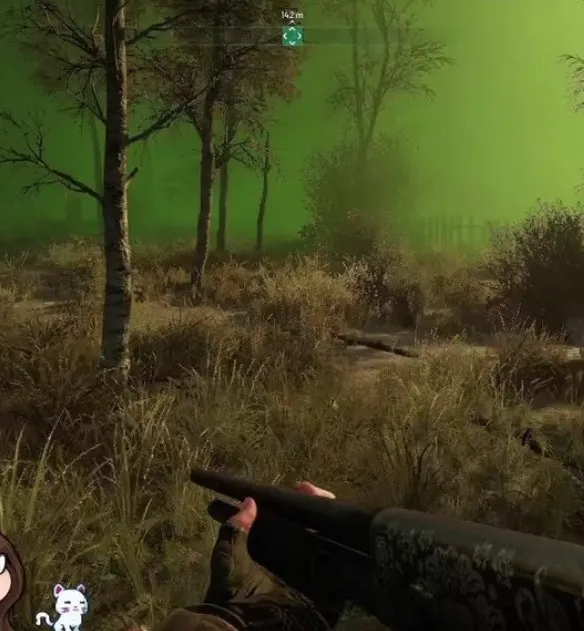
For Chernobylite, every creator ran a two hour Let’s Play with banners, panels and a chat bot posting a tracking link. That’s the kind of setup that has to be in the brief, not added halfway through.
Reading results honestly
Separate direct from correlated. Two columns, clearly labeled. Never add them together.
Expect direct numbers to be low. Links and codes undercount. That’s normal, not failure.
Watch the top creator. If one creator delivers most of the result, show numbers with and without them.
Don’t sum overlapping reach. Follower counts across creators overlap and overstate who saw your game. Use viewer minutes, hours watched or views.
Keep paid and organic apart. If clips got paid boosts, report boosted views separately.
Say what you don’t know. A report that admits its gaps is more useful than one that fills them with guesses.
Where the data goes beyond one campaign, Community Insights shows which creators keep streaming your game afterward, and an Intelligence Package puts your share of voice next to your competitors’. Read our stories for campaign results reported this way, or start at the hub.