Game launch influencer marketing usually gets planned as one big week. We plan it as a run of beats instead. Release day matters. So does the closed beta that gets people talking, and the first update that tells players the game is still worth their evening.
Our launch cases, from Call of Duty to Assassin’s Creed, follow a similar shape. Here’s how we build it.
How we plan game launch influencer marketing
Every launch plan starts with a goal: wishlists, preorders, installs, peak viewers or a spot at the top of Twitch. Then we split the campaign into beats and decide what each one is for.
A typical plan has three or four phases. Before launch, creators build anticipation and credibility. During early access and launch week, they create a moment. After launch, the best performers come back to keep the game visible.
Guild Wars 2: Secrets of the Obscure is a clean example. Before launch, integrated YouTube videos on MMO channels showed new combat content to drive preorders. Launch week ran on Twitch Let’s Plays, with part of the budget aimed at players new to the genre. After launch, dedicated videos and ongoing streams kept Tyria busy.
The plan follows your beats, not ours. If your game has a closed beta, a demo or a season one date, those are beats too.
Before launch: Give creators something to show
Creators need a reason to talk about a game that isn’t out. The best reasons are access and story.
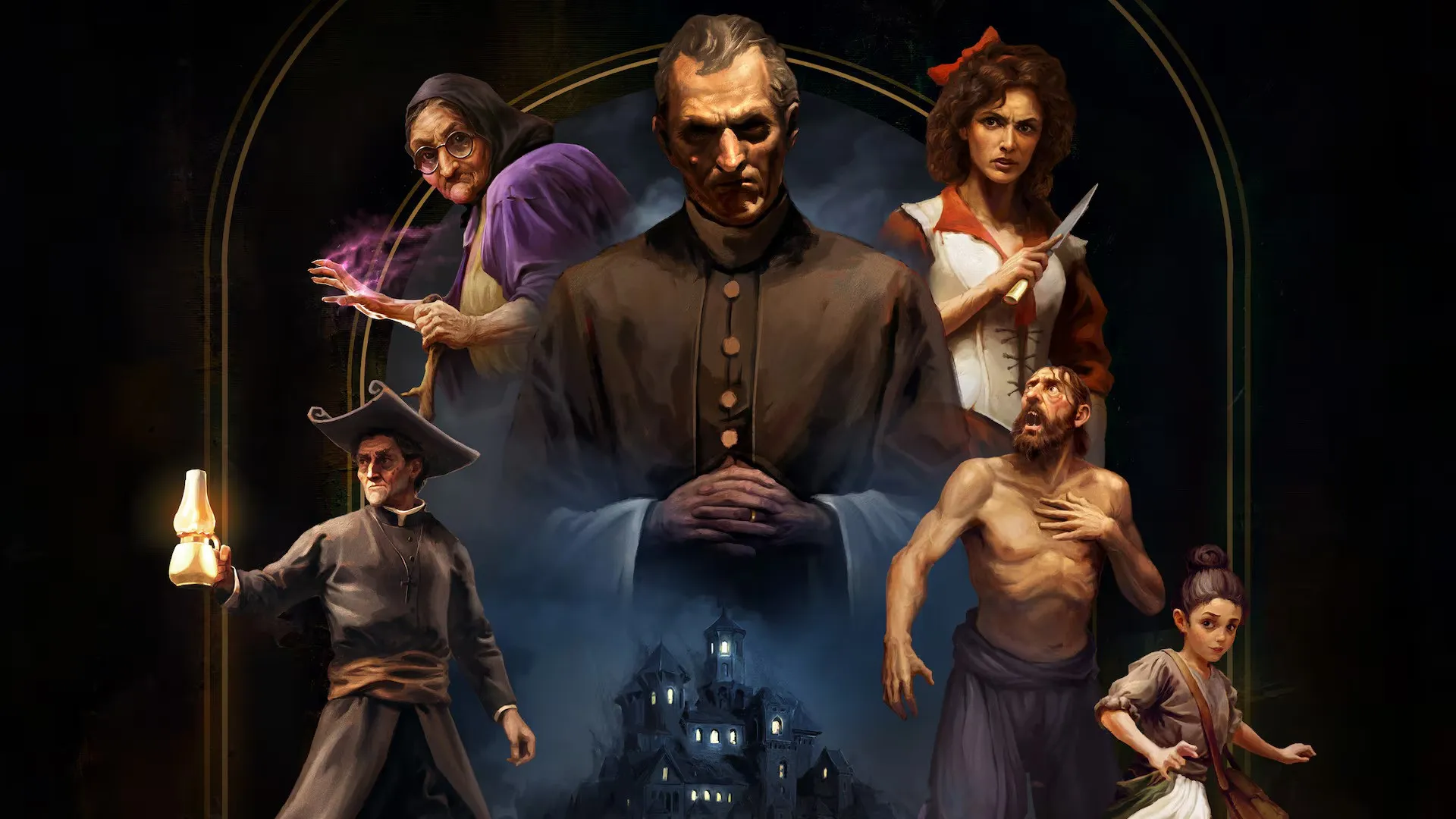
For The Stone of Madness, select creators on Twitch and YouTube got closed beta access, so the game arrived at launch as an indie people already wanted to watch. In that phase, Twitch delivered 80% above target. The campaign then ran through launch and a sustain phase with 59 creators across the EU and North America.
For Dying Light 2, Techland built Dying 2 Know, a six episode show, and we put 349 creators live for the final episode a month before launch. That was the first Twitch Boost, and it took the game to #1 on Twitch. Read how the Boost worked.
If you’re a smaller team, this is the phase where wishlists come from. Our Steam guide covers how micro creators drive wishlists and demo plays.
Early access and launch week
Launch week is when the most games compete for the same viewers. Creators who go live at the same time across regions turn your release into the game everyone is watching.
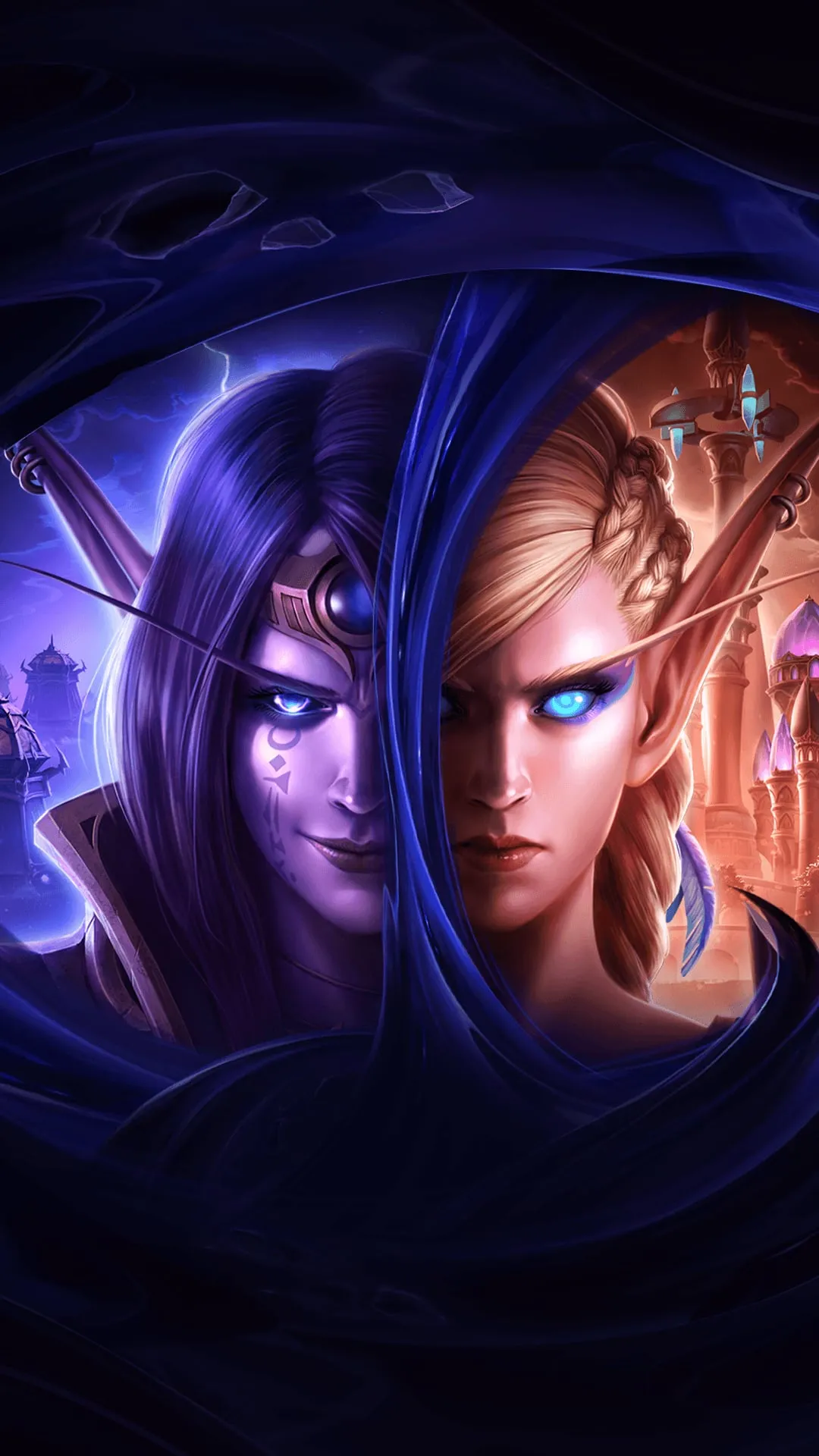
For World of Warcraft: The War Within, Blizzard offered early access for the first time ever, and we put creators live on it in the UK, France, Germany and the Nordics. Then the launch phase took over. With 164 creators activated across four key territories, the game became the most viewed on Twitch during launch across all focus markets.
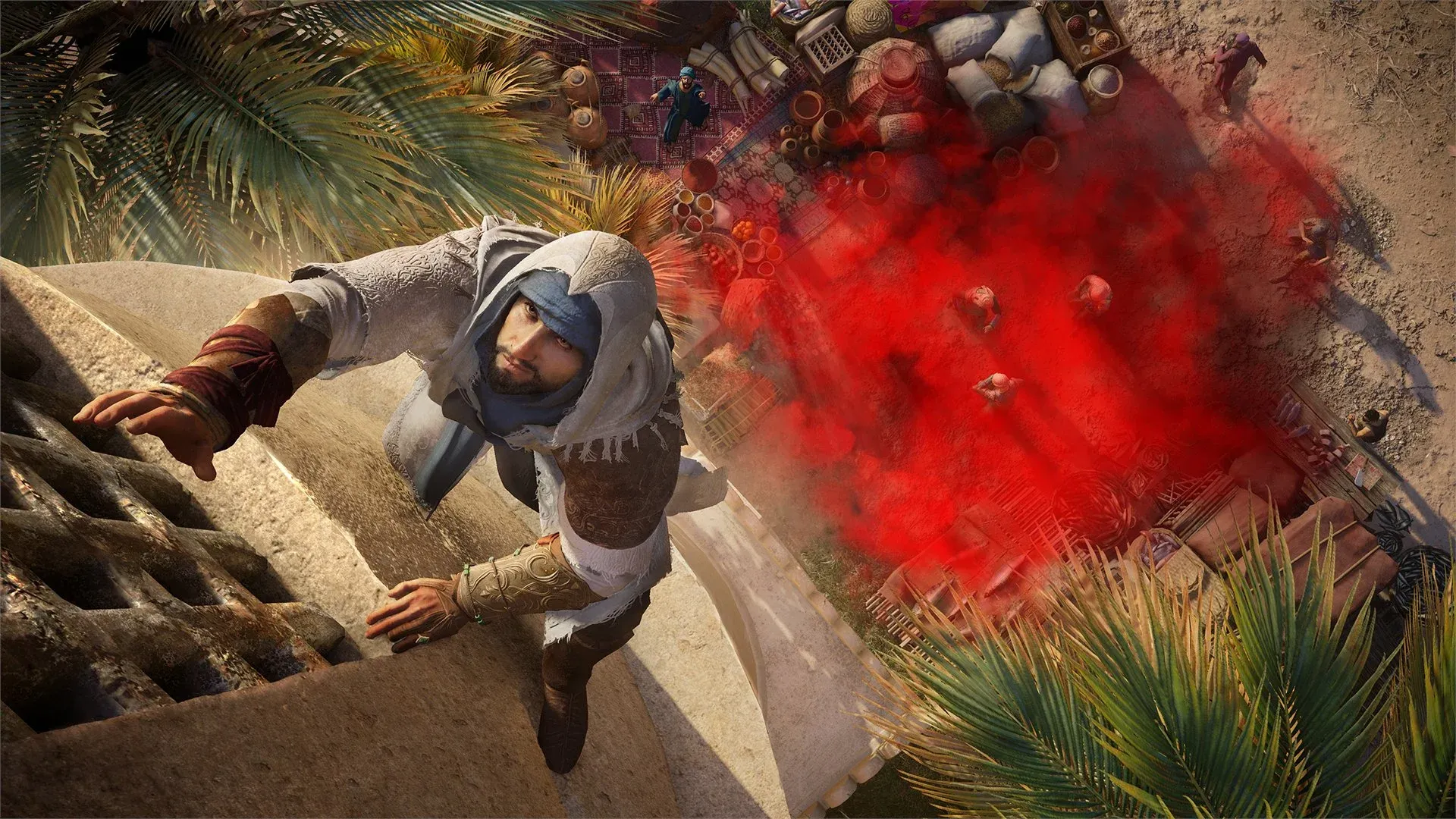
For Assassin’s Creed Mirage, Ubisoft opened early access the day before launch, and our platform let creators in the Nordics and the UK go live simultaneously. Every creator channel was eligible for Twitch Drops, so viewers had a reason to stay. Creators averaged 4.2 hours of streaming against 2 contracted, and one third came back to stream the game again afterward. That’s what good matching looks like in the data.
Length helps on launch day too. Across our sponsored Twitch streams from 2024 to 2026, sponsorships with 4 to 8 hours of streaming drew 17% more viewers than we expected at booking, while those under 90 minutes drew 5% fewer. Launch streams need time for chat to build.
Why timing matters on Twitch
Twitch sorts its directory by live viewers. When many creators stream your game in the same window, it climbs, and more people browsing Twitch find it there. That’s the idea behind Twitch Boost, and it’s why we plan exactly when launch streams go live. Call of Duty: Black Ops 6 is a good example: 72 creators across the UK, France and Germany, and the most viewed game on Twitch during launch.
Twitch Integration adds the long tail to that wave. Your offer appears in the Twitch Sponsorship Dashboard, and hundreds of small streamers can opt in for release week without a single cold email. More on that in our Twitch guide.
The weeks after launch
The launch campaign isn’t over when the release week report lands. Players who saw your game on day one decide whether to keep playing in the weeks after, and creators decide whether to keep streaming it.
Black Ops 6 ran in three phases: launch, the Nuketown update and Season 1, with creators showing each new map and feature as it arrived. After the Dying Light 2 launch, more than 50% of the Twitch creators from the campaign kept streaming the game on their own.
Across campaigns it’s rarely that high, which is why the weeks after need a plan. In 2026 campaigns we followed for 30 days after the paid streams ended, 18% of the sponsored streamers came back to the game without being paid, and their streams added viewer minutes equal to 20% of the paid campaign. Bigger streamers came back most often: 30% of those with 500+ expected viewers, against 10% of those under 100. For smaller games, those returning streamers were most of the game’s Twitch audience in the month after, up to 89% of all viewer minutes on it.
Source: Wehype campaign data and Twitch viewing data for the 30 days after each campaign, 2026 campaigns, pulled November 4, 2026.
Community Rewards helps make that happen on purpose. We track your creator community on Twitch in real time, invite creators the moment they pick up your game and reward their viewers with in game items when the creator hits a streaming milestone. It’s where launch planning turns into live ops.
Launching indie and AA games
You don’t need 164 creators to launch well. For Chernobylite, All in! Games launched with 10 creators who each streamed a two hour Let’s Play on Twitch, with branded overlays, banners and a chat bot posting a tracking link. The campaign reached 2.1M viewer minutes. See the Chernobylite launch.
For smaller budgets we lean on fit. A science fiction RPG goes to creators who stream science fiction RPGs. Micro creators often convert better than the big names, and Twitch Integration reaches them at a scale a small team couldn’t manage by email. Launching on PC and console or in mobile games changes the formats, but the beat plan stays the same.
How we measure a launch
We agree on the numbers before anything goes live, then track them live in the Wehype platform. For Twitch that’s viewer minutes, peak viewers, cost per hour and directory rank. For YouTube it’s views and engagement. Where we can, we connect it to wishlists, installs or sales.
Two launches show what that looks like. Assassin’s Creed Shadows came in 108% over its viewer minutes target in the UK and 39% over in the Nordics. World of Warcraft: The War Within finished 16% over target on total viewer minutes. You see that data live during the campaign and get a report after it.
Read more in our guide to creator marketing ROI, see how YouTube fits around launch day, or start from our overview of creator marketing for games.