If you’re searching for Steam game influencer marketing, you probably have a store page, a release window and a wishlist count you’d like to see move. We call it creator marketing, and for Steam games it works best when you think less about reach and more about fit: the creator whose viewers already buy games like yours.
We’ve run creator campaigns for PC games since 2016. Here’s how we think about Steam.
Steam wishlist marketing: What creators actually move
A wishlist is a promise of attention. When a game on someone’s wishlist launches or goes on sale, Steam tells them. A big wishlist going into launch means a big group of people hearing about the game on the day it matters most, and strong early sales help the game show up in more places across the store.
Steam doesn’t publish exactly how it ranks games, and we won’t pretend to know the formula. What we do know is where creators fit. A creator plays your game live for an hour or two, their viewers ask questions in chat, and the people who like it want somewhere to put that interest before release. The wishlist is that place.
So we build the path into every stream. The stream title names the game, the panel banner and chatbot link to your Steam page, and YouTube creators put the link in the description. When there’s a demo, creators play the demo, so viewers can try the same build straight after the stream.
Planning around Steam moments
Most Steam games have a handful of beats before and after launch: the announcement, a demo or festival build, early access or a closed beta, launch day, then updates and sales. Each one is a reason for a creator to play. We spread creators across those beats instead of spending everything on launch day, so the wishlist keeps growing while there’s still time. Our game launch page covers release week in detail.
Micro influencer marketing for games
The creators who move indie and AA games are often not the biggest ones. A creator with a few hundred viewers who plays every tactics game on release day has an audience that trusts their taste in tactics games. That trust is what turns a stream into a wishlist.
GeoGuessr is our clearest proof. We ran micro creator campaigns for them across English speaking countries, the EU and Brazil, then dedicated campaigns for Italy and France. Creators played with their communities through Party Mode and challenge links, so viewers joined the game straight from chat. The first campaign had 376 creators and delivered 8.5M+ viewer minutes on Twitch. In France, 211 creators delivered 8.4M viewer minutes. Across the campaigns, cost per hour came in roughly 35% lower than standard rates. Read the GeoGuessr micro creator story.
The lesson we took from it: with small creators, the work is in the matching and the scale. One micro creator rarely moves a game. Hundreds of the right ones, in the right genres, do.
Our wider data shows why small streamers suit wishlist campaigns. In our Twitch campaigns from 2024 to 2026, streamers with 25 to 99 viewers got 318% more chat messages per viewer hour and 172% more link clicks per viewer than streamers with 2,000+ viewers. For a Steam page, a click from an interested viewer is the step before a wishlist.
Source: Wehype campaign data, completed sponsored Twitch streams from 2024 to 2026, pulled November 4, 2026.
How Twitch Integration reaches micro creators
Reaching hundreds of small creators used to mean hundreds of emails. Since we became an official Twitch partner, Wehype campaigns appear inside the Twitch Sponsorship Dashboard, and that changes the maths for small budgets.
With Twitch Integration, your offer shows up where creators already work. They read the brief and opt in themselves. You can target by viewership, country and the titles they’ve played, with brand safety checks on top. There’s nothing for creators to install, and they get paid through our creator platform. For a Steam game, that means you can reach the long tail of your genre without negotiating each deal. Our Twitch campaigns page goes further into how we plan on Twitch.
Influencer marketing for game developers
Smaller studios need every creator to count, so we plan the campaign in phases and move budget to what works.
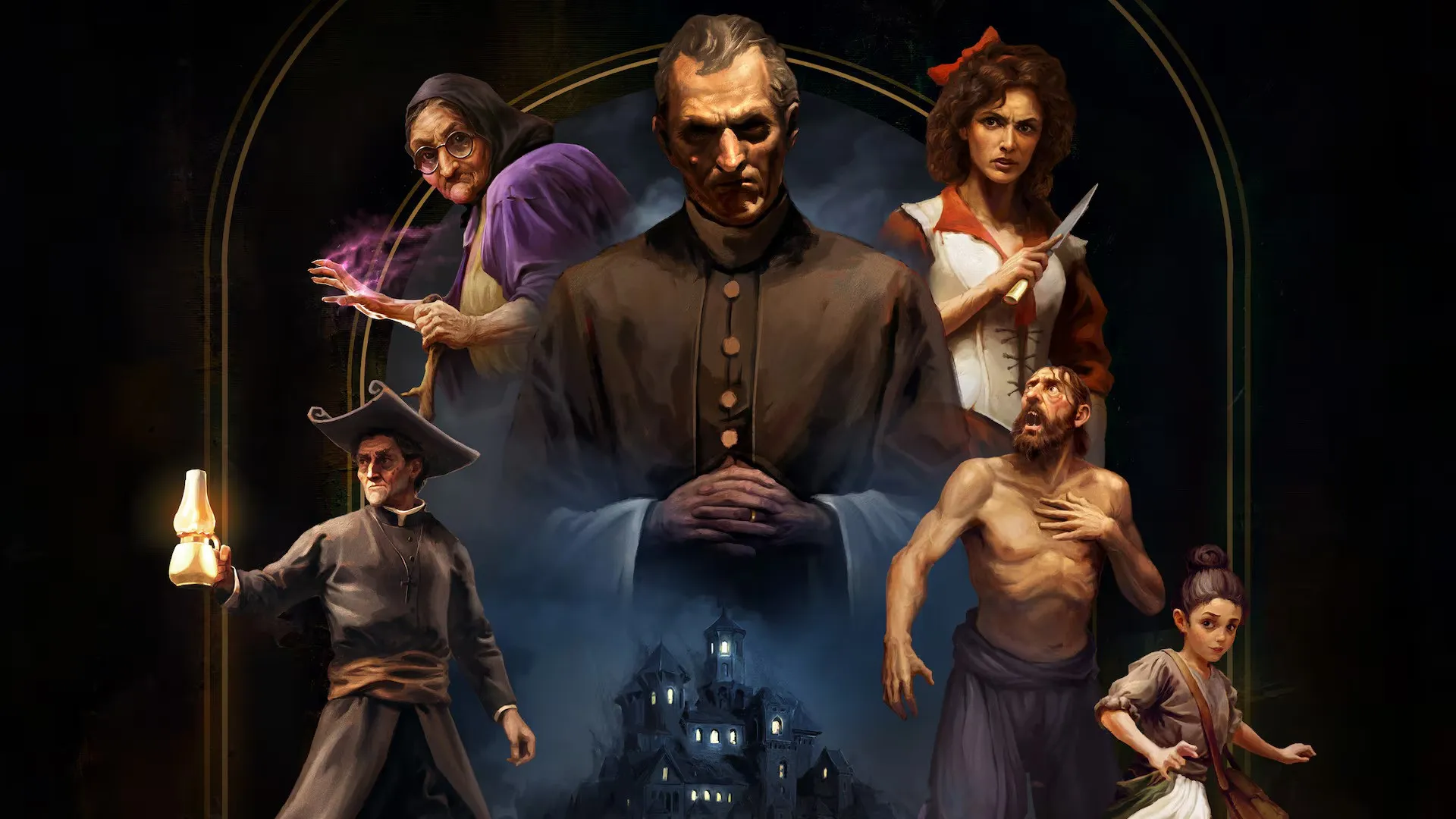
For The Stone of Madness, a tactical stealth game, Tripwire worked with us on 59 creators across the EU and North America, picked for tactical, indie and strategy audiences. Before launch, select creators on Twitch and YouTube got closed beta access. At launch, creators went live across Twitch, YouTube and TikTok. After launch, the best performers came back to stream again. In the pre launch phase, Twitch delivered 80% above target with a cost per hour 33% lower than targeted. Read the Stone of Madness story.
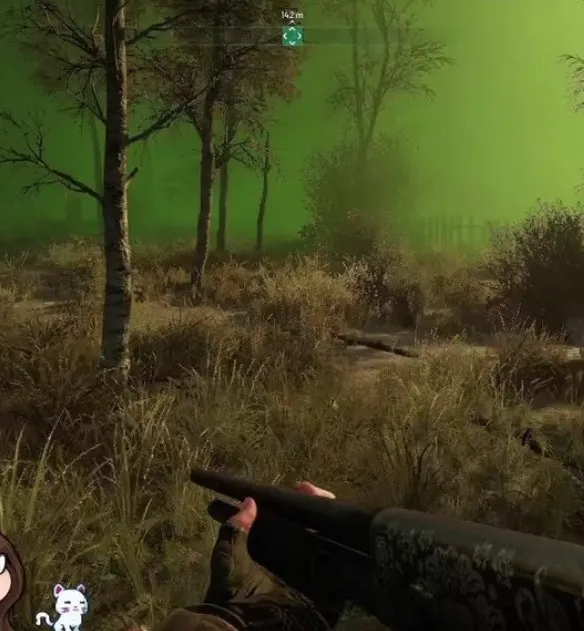
For Chernobylite, All in! Games came to us before its full launch. We matched creators who play sci fi and RPG games and ran two hour Let’s Play streams with a branded overlay, a chatbot link and banners to the game page. Ten creators delivered 2.1M viewer minutes and 200K chat engagements, and All in! Games came back to us for their next launch, Arboria. See the Chernobylite case.
Neither case reported wishlists publicly, so we won’t put a wishlist number on them. What they show is the mechanism: the right creators, playing at the right beat, with a clear path to the store.
How we pick creators for a Steam game
We play your game first, because you can’t market what you don’t play. Then we match with our own data: what creators have played recently, how long their viewers stay, which genres they come back to and how they performed in earlier campaigns. Community Insights shows you which creators already play your game, which is often the best shortlist you’ll get.
We also look at language and region. A Steam page sells worldwide, but a creator streaming in French or Portuguese reaches players that an English campaign misses.
What a Steam campaign needs from you
Send us your Steam page, your release window, any demo or beta build and the beats you’re planning. We handle the boring stuff: briefings, contracts, keys and payments. Creators get paid in 3 banking days, and we’ve launched campaigns in as little as 2 days.
If your game also ships on console, see our PC and console page. If you want creators around after launch, read about live ops and creator programs. For how we measure, see our page on ROI, or start from the gaming influencer marketing overview.